


Allen & Heath Xone 24C
5.0 étoiles sur 5 d'après 10 évaluations clients
()

Commencer le 360°
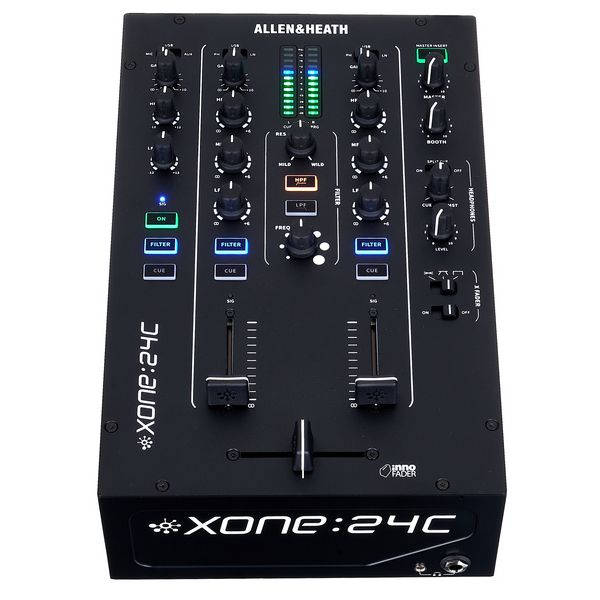
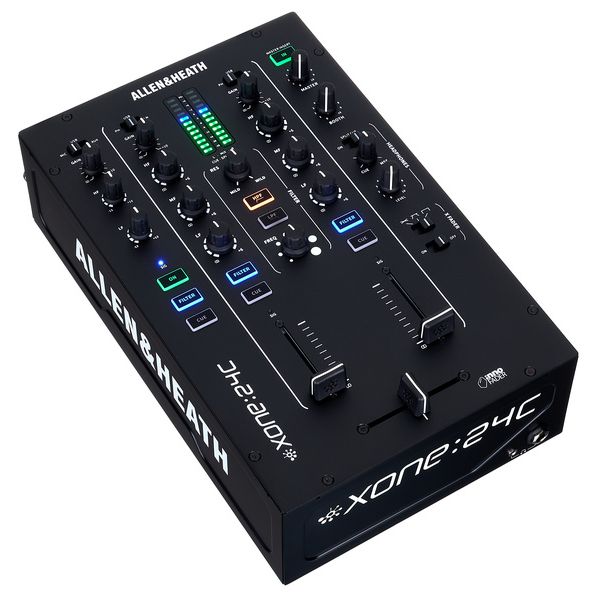
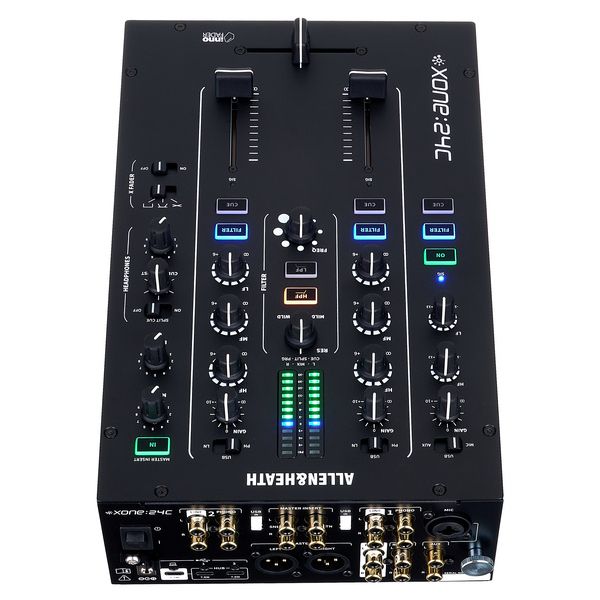
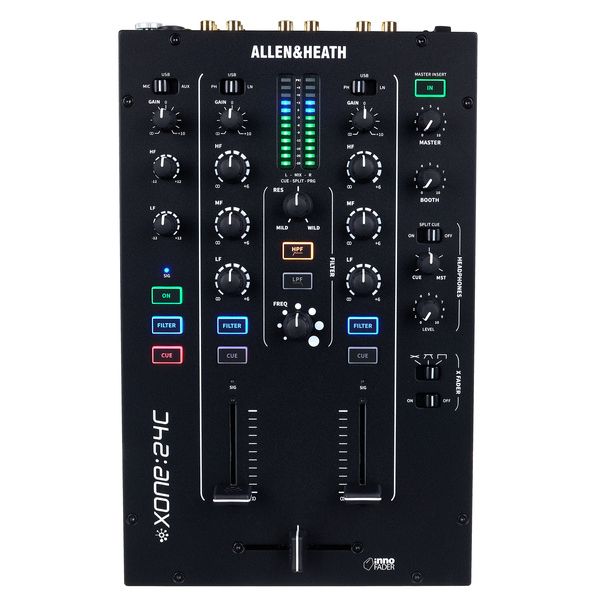
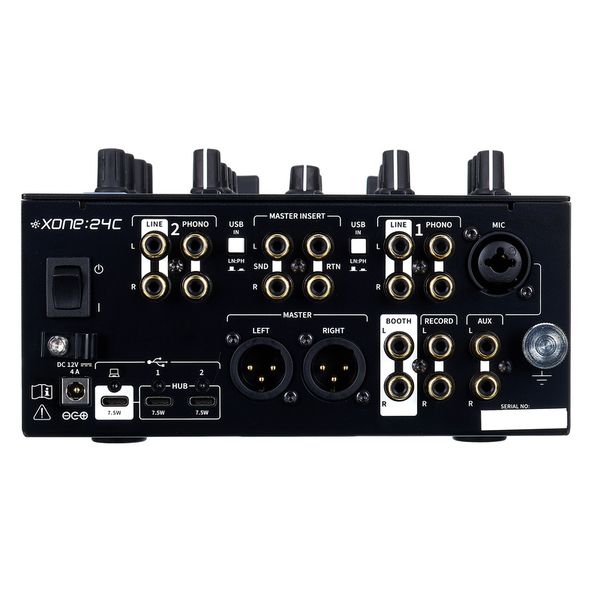
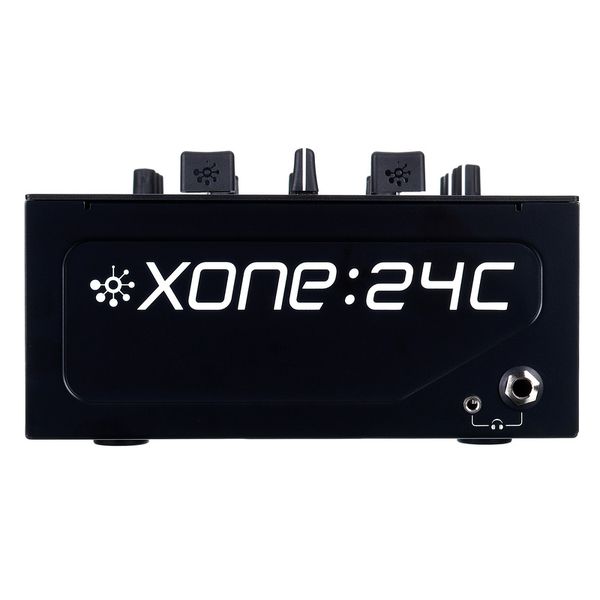
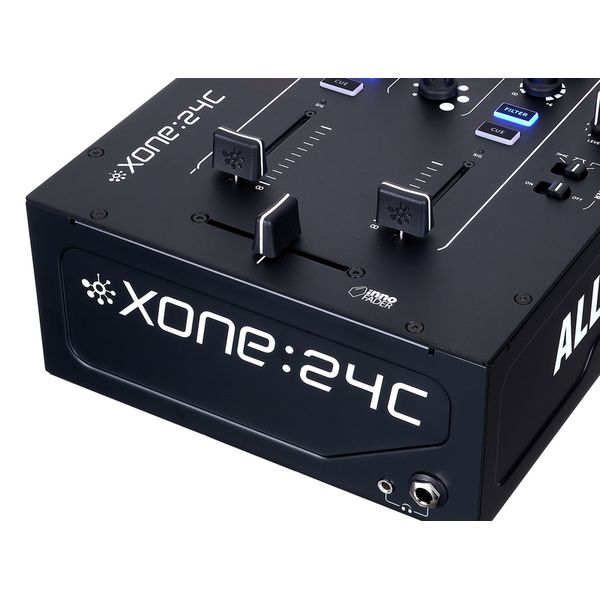
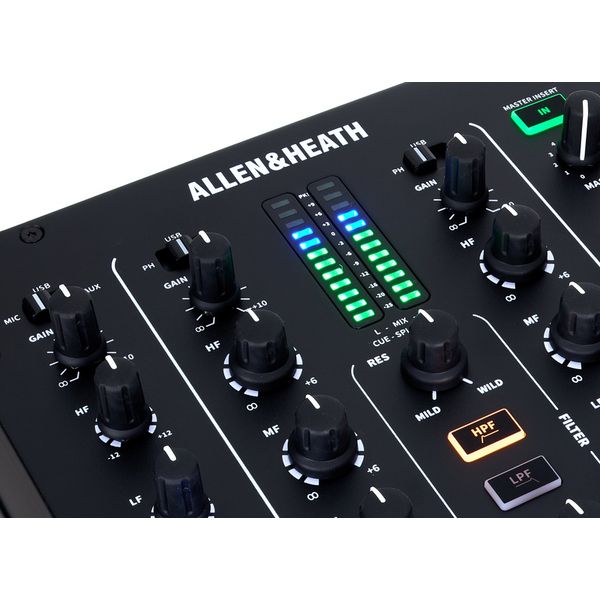

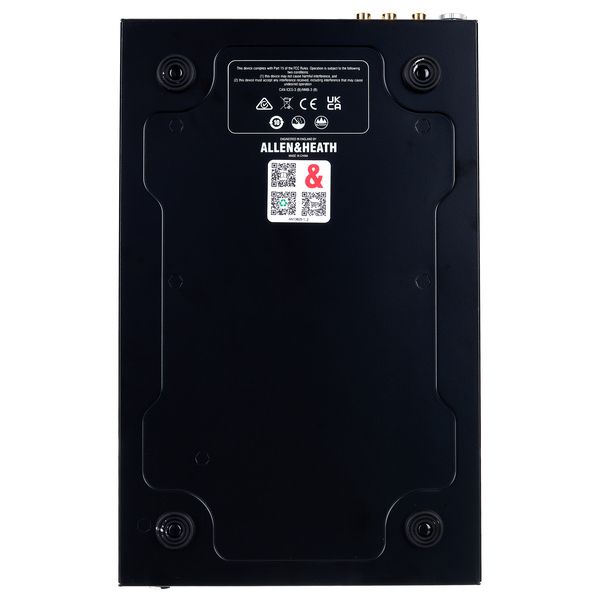
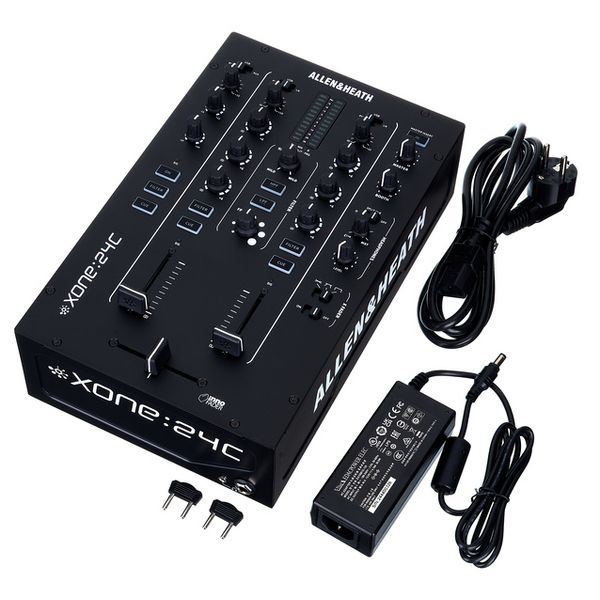


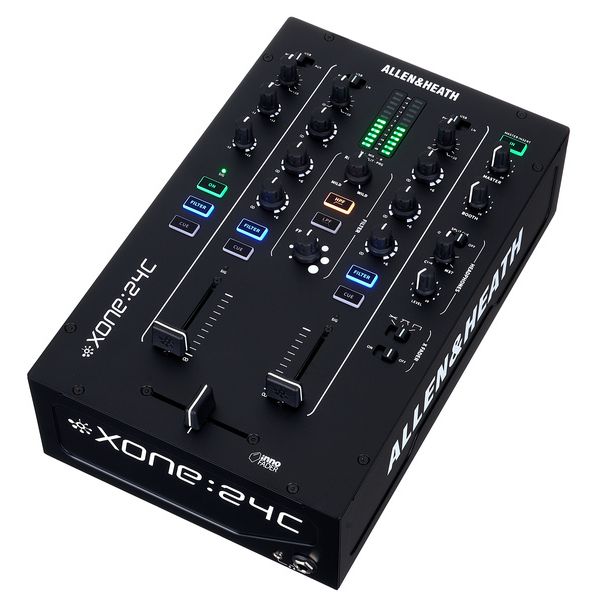
Table de mixage DJ 2 canaux avec carte son USB
- Carte son USB: 6x6 24 bits / 96 kHz
- Hub USB-C intégré
- Affichage LED du niveau
- Boutons en caoutchouc rétroéclairés
- Filtre VCF passe-haut/passe-bas, balayage de fréquence, résonance
- Boucle d'effets (Send/Return)
- Egaliseur isolateur 3 bandes
- Crossfader miniature Innofader
- Commutateur Crossfader on/off
- Courbe du crossfader commutable sur 3 positions
- Entrée microphone avec égaliseur 2 bandes
- 2 entrées Phono sur RCA
- 2 entrées ligne sur RCA
- Entrée microphone sur prise combinée XLR/Jack 6,3 mm
- Entrée Aux sur RCA
- Entrée Master Insert sur RCA
- Sortie Master stéréo sur XLR
- Sortie Booth stéréo sur RCA
- Sortie Record stéréo sur RCA
- Sortie Master Sendstéréo sur RCA
- USB 2.0
- Port hôte USB type C
- Dimensions (L x H x P): 190 x 108 x 314 mm
- Couleur: Noir
-
Référencé depuis Décembre 2025
-
Numéro d'article 626603
-
Conditionnement (UVC) 1 Pièce(s)
-
Canaux ligne 2
-
Entrée Phone 2
-
Entrée microphone 1
-
Entrée interface audio 6
-
Sortie interface audio 6
-
Sortie Rec RCA (Cinch)
-
Sortie Master XLR
-
Send/Return Oui
-
Rackable/kit de montage en rack 19" Non
-
Talk-Over Non
-
Effets Non
-
Largeur 190 mm
-
Profondeur 314 mm
-
Hauteur 108 mm
-
Entrée ligne stéréo 2
-
Sortie Booth RCA (Cinch)
-
MIDI USB
-
Kit de montage en rack 19" optionnel Non
-
Poids en kg 2,8 kg
-
Voir les variations de ce produit


Les clients qui ont regardé ce produit ont acheté ceci
Accessoires & articles appropriés



Comparez les alternatives
-
Allen & Heath Tables de Mixage DJ en un clin d'oeil
-
Afficher les Tables de Mixage DJ dans la fourchette de prix 450 € - 550 €
-
Aller à la catégorie Tables de Mixage DJ
-
Aller à la catégorie Matériel DJ
-
Voir les infos pour le constructeur Allen & Heath
-
Allen & Heath Matériel DJ en un clin d'oeil